Dallas sits at the crossroads of Texas commerce, with interstates fanning out toward Houston, Austin, Oklahoma City, and the West Coast. That geographic convenience is a gift when you need to move a vehicle, yet the number of options can trip up even detail‑oriented owners. The choice that matters most for Dallas car transport is simple on the surface, open versus enclosed, but your decision ripples through cost, timing, risk, and even how you prepare the car. I have walked customers through both routes, from lifted F‑150s to concours‑level Porsche restorations. There is no universal answer. There is, however, a better answer for your specific vehicle, timeline, and appetite for risk.
What “open” and “enclosed” actually mean on the road
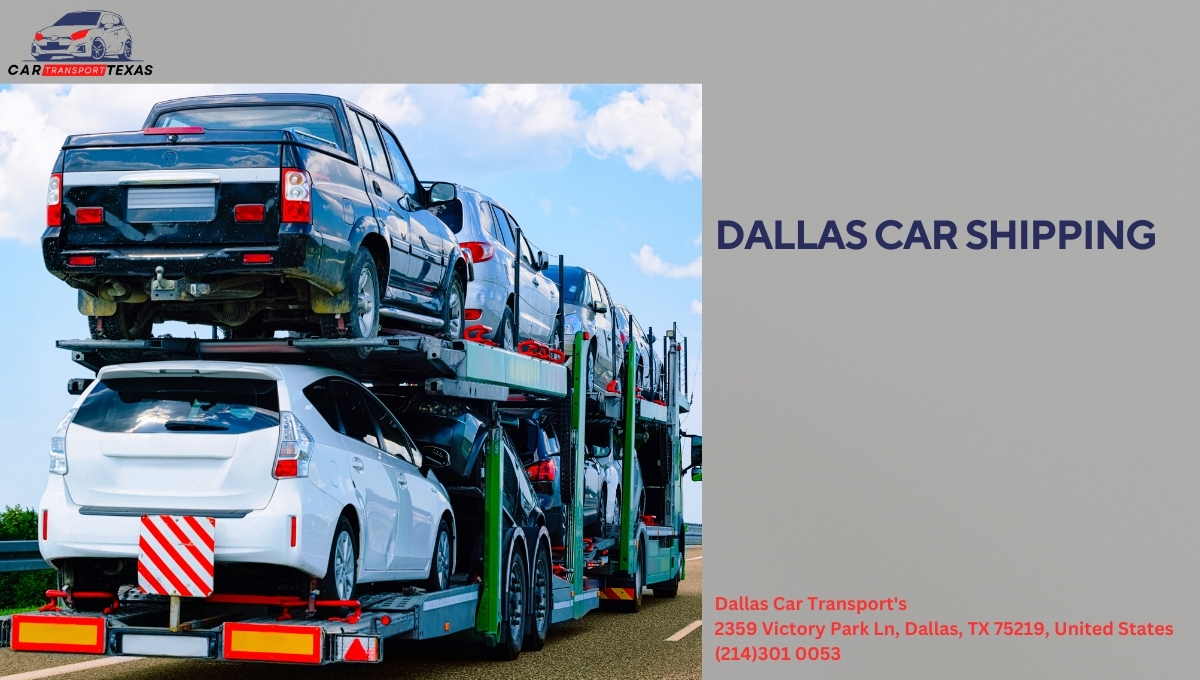
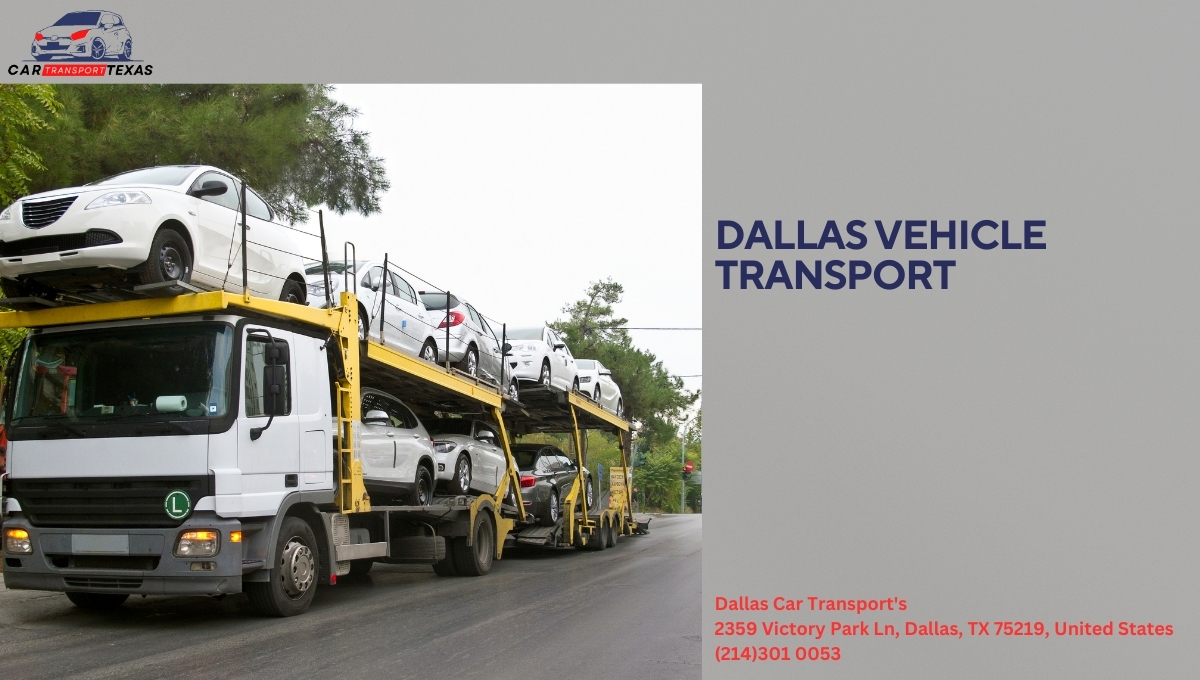
Open transport is the workhorse of the industry. Picture the familiar two‑level trailer you see on I‑35E, stacked with six to ten vehicles, with the cars exposed to air and weather. Most Dallas vehicle shipping runs happen this way because it’s efficient. A single driver can load a mixed batch of sedans, SUVs, and trucks at multiple pickup points and keep a tight schedule. If you call three different Dallas car shippers on a Monday, chances are all can quote an open slot leaving within a few days.
Enclosed transport is a different animal. The trailer has solid walls and a roof. Some use soft‑sided curtains, others are fully hard‑sided with climate control. Load counts are smaller, often two to six vehicles. Drivers tend to specialize in high‑value cargo and may use liftgates rather than ramps to keep low‑clearance vehicles safe. Routes are less frequent, and price reflects that. When a client sent a low‑mile Acura NSX from Highland Park to Scottsdale, we waited an extra week for a true single‑car enclosed slot because a ramp‑only trailer would have risked scraping the front lip.
The physical difference is obvious. The operational differences matter more. Open carriers stop more frequently, churn through short links between Dallas, Fort Worth, and surrounding hubs, and can squeeze in late bookings. Enclosed carriers tend to run longer hauls with pre‑booked loads, meticulous schedules, and stricter requirements for ground clearance and dimensions.
Weather, roads, and the Dallas wildcard
North Texas weather shifts fast. From late March through June, you can leave Frisco under a blue sky and hit pea‑size hail near Abilene two hours later. Dust is common, wind is relentless, and summer brings hours of 100‑plus heat. On open trailers, that translates to road grime, bug splatter, and occasional paint nicks from road debris thrown by other vehicles. It rarely causes serious damage, but it’s common to see a chip or two on cars that ride the front lower position.
Enclosed eliminates most environmental exposure. A soft‑sided curtain still blocks debris, though it is not entirely airtight. Hard‑sided enclosed is the closest you’ll get to a garage on wheels. That difference matters if your car has fresh paint, ceramic coating curing time, or delicate trim. I once discouraged a client from open transport for a recently repainted classic Bronco, not because open is unsafe, but because modern paint can take 30 to 60 days to fully harden. Why test it against three states of wind‑blown grit?
Road conditions along Dallas routes add another layer. The I‑35 corridor is perpetually under construction in spots, which means milled pavement and loose gravel. US‑287 toward Amarillo sees high truck traffic. If your route to or from Dallas uses these corridors, the risk of debris exposure is higher on open carriers. On enclosed, that risk drops to near zero.
Cost ranges and what drives them
People ask for exact numbers. Markets shift week to week, but ballpark ranges help.
- Open transport for Dallas vehicle shipping typically lands between 50 cents and 90 cents per mile for common routes when booked with a reasonable lead time. Expect the lower end for multi‑car lanes like Dallas to Houston or San Antonio, and the higher end for less busy corridors or short notice. Enclosed transport tends to run between 1 dollar and 2 dollars per mile on the same lanes. Tight timelines, single‑vehicle enclosed, or liftgate requirements push it higher.
These ranges compress or expand with fuel prices, driver availability, and seasonality. Summer and early fall see higher demand as military PCS moves, college drop‑offs, and post‑auction traffic converge. If you can give Dallas car shippers a flexible pickup window, you often shave 10 to 20 percent off the rate, especially on open runs.
The truck’s capacity and your vehicle’s specifics also shift the price. A tall Sprinter or lifted Ram with 37‑inch tires takes space that would otherwise fit two sedans. Expect a surcharge on both open and enclosed. Non‑running vehicles require a winch and more load time, adding labor. Low ground clearance that requires a liftgate, or a car with limited steering angle, can narrow your carrier options to a small subset of enclosed providers.
How risk and value shape the decision
Every owner has a line where savings are no longer worth the risk. That line is not the same for a daily driver Camry and a numbers‑matching ’69 Camaro. Think in layers of exposure, then assign each layer a weight that fits your tolerance.
- Cosmetic risk: On open, you will likely face dirt and bugs, maybe a minor chip. Enclosed protects against all but the rare in‑trailer incident. If your car is a lease return with pre‑inspection scheduled, or a freshly detailed sale unit, enclosed might be worth the premium purely to protect condition value. Mechanical risk: Transport itself should not harm mechanicals. The larger concern is ground clearance during loading. High‑quality open carriers use longer ramps and careful angles. Enclosed adds the advantage of liftgates and controlled angles. For low cars, this swing could be decisive. Schedule risk: Open carriers are plentiful. If you need a narrow pickup window in Dallas because of HOA restrictions or a building dock schedule, you’ll have more options on open. Enclosed can hit the window, but you must book earlier. Security risk: Enclosed hides the vehicle from view when the driver stops. On cross‑country runs with overnight parking at truck stops, I prefer enclosed for visibly exotic cars. For standard models, open is typically fine.
An anecdote illustrates the balancing act. A client in Plano bought a late‑model 911 with carbon ceramic brakes. The car was not concours‑level, but the wheels were pricey and the front lip sat low. Open carriers could do the job, but the bracket angle on several of the available trailers was too steep. We waited four extra days for an enclosed carrier with a liftgate. The cost rose by roughly 900 dollars on a 1,200‑mile run, but the load and unload were drama‑free, and the car arrived spotless. The premium bought peace of mind where it mattered.
What Dallas origin and destination logistics mean in practice
Downtown Dallas and many suburban neighborhoods complicate large‑truck access. Gated communities, narrow streets, and weight restrictions often push loading to wider roads or commercial lots. Open carriers, with their greater size and frequency, are more likely to request a meet‑up in a parking lot near a major road like Preston, Northwest Highway, or along US‑75. Enclosed trucks vary in length. Some single‑car enclosed rigs can squeeze into tighter spaces, useful if the car isn’t easily drivable or if it lacks plates.
Air freight and rail options exist but rarely make sense for private owners. Dallas vehicle transport by rail might sound attractive, yet the first‑mile and last‑mile logistics often erase any savings. Air is reserved for ultra‑high‑value cars on tight timelines, such as time‑sensitive concours entries. For 99 percent of cases, the road is the right answer.
Carriers serving the Dallas market pay attention to timing. Avoid booking a tight pickup during State Fair weekends around Fair Park, rush hour near the High Five, or large event load‑outs at AT&T Stadium if your pickup is in the Arlington‑Grand Prairie zone. A 2 p.m. pickup request on a Friday near Uptown can drift if traffic locks up. For enclosed carriers operating with smaller windows, I often aim for mid‑morning appointments or the early evening quiet after traffic breaks.
Insurance and real coverage, not just buzzwords
Every reputable carrier carries liability and cargo insurance. The devil lives in the policy details. Ask for certificates and confirm limits, deductibles, and exclusions. Open carriers often carry cargo coverage in the 100,000 to 250,000 dollar range for the full load. On a 9‑car trailer, that means your individual limit could be calculated per unit or in aggregate. Enclosed carriers often carry higher per‑vehicle limits, sometimes 250,000 to 500,000 dollars, because they haul higher‑value cars.
Document pre‑existing condition thoroughly. Clean the car, photograph every panel and wheel in bright, even light, and time stamp the images. Do the same on delivery before signing the bill of lading. A careful driver will do a walkaround with you both times. If you see damage, mark it on the paperwork before the truck leaves. This process is the same for open or enclosed, yet enclosed claims are rarer and typically easier to resolve because incidents are fewer and more obvious.
Timing realities and the myth of guaranteed dates
Brokers and carriers will offer windows, not promises, for pickup and delivery. Weather, previous customer delays, and road closures ripple through schedules. Open carriers can often recover faster because they have more loads to rearrange and more trucks on the road. Enclosed runs are less forgiving. If another customer’s loading takes two extra hours, your pickup shifts accordingly.
For Dallas vehicle transport, I plan around a two to five day pickup window for open and a three to seven day window for enclosed, assuming normal demand. If a customer needs a precise date because they are flying in to meet the driver or vacating a home, I push them toward a larger window or a hold‑over option at a secure lot. Paying a day of storage is cheaper than rolling the dice on a narrow time slot.
Preparing the vehicle the right way
You do not need to drain fluids or take off mirrors. You do need to prepare the car as if you are handing it to a careful stranger who will not rummage around to figure things out.
- Set tire pressures to factory spec, verify the car starts, and leave about a quarter tank of fuel. Too much fuel adds weight, and carriers dislike heavy cars on the upper deck. Remove toll tags or place them in a foil pouch so they do not ping during transit through toll gantries on the Dallas North Tollway or elsewhere. I have seen owners get charged for phantom passes because a tag read through glass. Secure or remove loose accessories. Roof racks, front plate brackets, splitter extensions, and aftermarket side skirts can snag on straps or ramps. If something is barely hanging on, take it off. Provide a key that can start and steer the vehicle. Valet keys without ignition function complicate loading. Share special instructions, like battery cutoff switches, air suspension lift procedures, or custom immobilizer steps, in writing and on a notecard left in the car.
If the car is a non‑runner, say so early. Carriers will plan for a winch, additional labor, and positioning on the trailer that accommodates a car that cannot help itself.
When open transport is the smart choice
There are many cases where open transport fits perfectly. Daily drivers, fleet vehicles, and cars with resilient finishes rarely justify the premium of enclosed. A 2018 Honda CR‑V moving from Richardson to Denver, a company F‑150 headed to an oilfield site near Midland, or a college grad’s Civic going to Phoenix will arrive safely on open. The cost savings often hit 30 to 60 percent, and availability is strong.
Open also shines when speed matters more than cosmetics, or when you are shipping multiple vehicles and cost compounds. Dealers, auction buyers, and relocation coordinators that move five or ten units a month rely on open for a reason. The Dallas market offers abundant open capacity, and the bid‑ask spread between reputable carriers is narrower, which reduces shopping time.
When enclosed is worth every dollar
Enclosed earns its keep with high‑value, rare, or delicate vehicles. Think collector cars, exotic makes, classic muscle with irreplaceable trim, or anything with extreme ground clearance needs. It is also the right call for fresh restorations and cars going to shows. If you hired a shop in Carrollton to complete a frame‑off restoration and the paint just cured, you gained more than a glossy finish. You also gained a reason to shield it in transit.
Security folds into the equation. Enclosed hides your car in a sea of box trailers. At overnight stops, curiosity and camera phones are less of a factor. For celebrity clients or simply owners who prefer privacy, this matters. And for owners sending rare parts with the car, enclosed reduces the chance of packages or spares walking away when the truck stops for fuel.
Working with Dallas car shippers without headaches
You can book through a carrier directly or through a broker. Both models can serve you well. Carriers own the trucks and give you a straight line to the driver, but their routes may not align with your dates. Brokers have wider reach, which helps if you need a specific window or specialized equipment. The Dallas market has both in abundance. The trick is vetting.
Ask how many Dallas vehicle shipping loads the company handled last month, not in their lifetime. Listen for recent, concrete examples similar to your route and vehicle. Request the MC or DOT number, then check safety and insurance data on the FMCSA website. If a company balks at sharing, move on. Clarify whether your point of contact will be available after hours. Weather does not check business hours before changing your schedule.
Avoid the cheapest quote by reflex. Underbidding is a common tactic. The broker posts a low rate to the freight board, carriers pass it by, and your pickup window slips. A reasonable market price attracts quality carriers and keeps your schedule intact. If two quotes are close and a third is dramatically lower, ask what is different. Sometimes a company owns its enclosed equipment and can charge less. More often, the price is unrealistic.
The Dallas‑specific variables that catch people off guard
HOA rules and apartment management policies can slow loading. Some complexes do not allow trucks to block access lanes. If you live in a tight area of Uptown or a gated neighborhood in Far North Dallas, plan a nearby staging area. Grocery store lots often work if you get permission from the manager and choose an off‑peak time. Sunday mornings are a gift.
Texas titles and temporary tags can create minor friction. If the car lacks plates, the driver may avoid longer surface routes to keep attention to a minimum. Have your bill of sale or temporary tag paperwork handy, even though the truck driver is the one technically transporting. A little documentation smooths conversations if anyone asks questions during loading.
Lastly, heat. Summer loading on blacktop in August is brutal. Tires and straps get hot, and soft compounds on performance cars can pick up debris. On open trailers, ask the driver to avoid parking your car on the lower front position directly above the truck’s exhaust if it is a long idle in the sun. On enclosed, heat is less of an issue, but a climate‑controlled trailer is a bonus for delicate interiors or adhesives that can soften.
Real‑world examples to frame your choice
A Dallas‑to‑Austin corporate relocation for a pair of daily drivers, a Tahoe and a Corolla, on open transport cost roughly 600 to 800 dollars per vehicle, with pickup within two days and delivery next day. There was a single rock chip on the Tahoe’s lower bumper, easily touched up. For the same route on enclosed, quotes ran 1,200 to 1,600 per vehicle, with a longer booking lead time.
A Dallas‑to‑Los Angeles transport for a lowered M3 with carbon splitters and a fresh wrap went enclosed at about 1.60 per mile. The driver used a liftgate and soft‑tie wheel straps, and the car arrived with the wrap pristine. The client initially considered open, but after we measured ramp angles and realized the splitters would be within a half inch of contact, we shifted course.
Dallas Car Transport'sA classic car purchased at a Mecum auction in Houston, routed to a collection in Dallas, went enclosed on a multicar hauler, sharing space with two Ferraris and a Shelby. The per‑mile cost was lower than single‑car enclosed, yet the protection was the same. The collector was happy to wait an extra three days to get on that load. Flexibility saved him hundreds and kept the car safe.
Pulling it together, decision by decision
If you pressed me for a rule of thumb for Dallas car transport, I would frame it like this: choose open for mainstream vehicles that you drive daily, where minor cosmetic exposure carries little downside and schedule flexibility matters. Choose enclosed when the car’s value, vulnerability, or circumstances create an outsized penalty for even small blemishes or loading risks. Then factor in your timeline. If you need a tight pickup window, talk to providers early. For Dallas vehicle transport, two weeks of lead time opens doors, especially on enclosed.
A last word on communication. The strongest predictor of a smooth shipment is not the trailer type, it is how well you and the driver trade information. Share realistic pickup constraints. Provide good contact numbers for both ends. Be reachable on travel day. If a storm pops up over Weatherford and the truck needs to adjust, your quick yes or no to a time shift can prevent missed slots and frustration.
Dallas sits in the flow of national auto logistics. Use that to your advantage. Whether you pick open or enclosed, the city gives you options. Define the stakes for your vehicle, align them with the realities of route, weather, and timing, and work with a carrier or broker who can speak specifically about Dallas routes and their recent loads. Done that way, the choice between open and enclosed stops being abstract. It becomes a simple tool to get the result you want, at a price and risk level that makes sense for you.